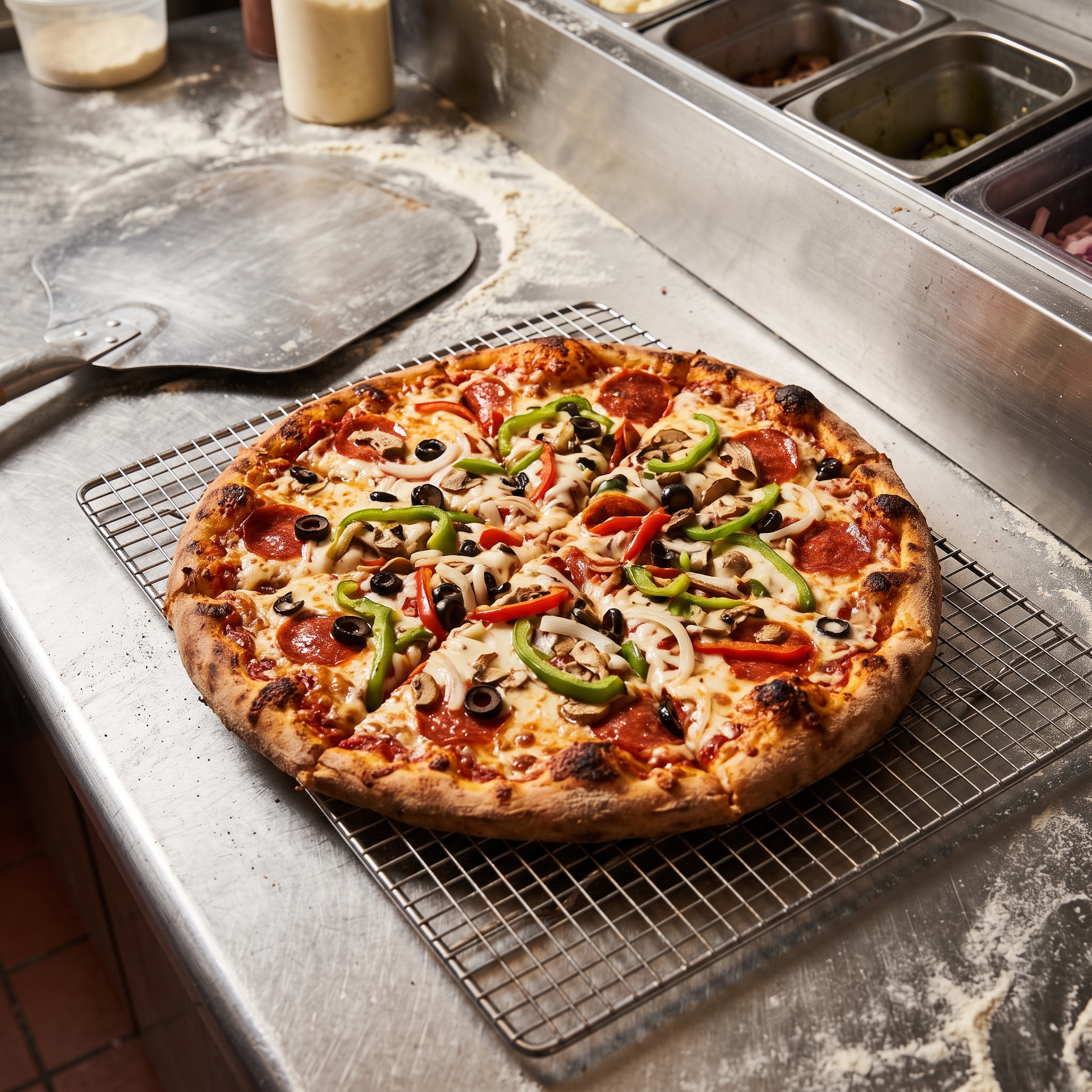
If you have ever pulled a homemade pizza out of the oven and thought, “Why doesn’t this taste like the pizzeria’s?”, the answer is usually the flour. After years of home baking advice, one name keeps coming up again and again: King Arthur Flour pizza.
King Arthur is America’s oldest flour company, and it sells several flours that work for pizza. The trick is knowing which bag to grab, how to handle the dough, and what to expect from the finished crust. This guide covers all of that, then takes a short detour to Connecticut, where pizza is practically a state religion
Why Bakers Choose King Arthur Flour Pizza
Pizza crust is mostly flour, water, salt and yeast, so there is nowhere for a weak ingredient to hide. King Arthur flour is milled to consistent standards, which means your dough behaves the same way batch after batch. That consistency is a big deal when you are learning.
Protein is the number that matters most. More protein means more gluten, and more gluten means a chewier, stretchier crust. As a rough guide, King Arthur’s all-purpose flour sits around 11.7% protein, bread flour around 12.7%, and Sir Lancelot (a high-gluten flour) around 14.2%. Those figures come from baker community discussions, so check the bag if you want exact numbers.
Which King Arthur Flour Pizza is Best?
You have a few good options, depending on the pizza you want.
- King Arthur Flour Pizza:This is the one made specifically for pizza night. It is a blend of hard red wheat and soft wheat, 100% American grown, and milled to “00” fineness. It is designed for Neapolitan-style pizza with a crisp yet chewy crust, and it stretches easily without fighting you.
- King Arthur Bread Flour:
The all-rounder. If you want a New York-style slice that folds and has a bit of chew, bread flour is a reliable pick and usually easier to find at the grocery store. - King Arthur Unbleached All-Purpose Flour:
Perfectly fine for a softer, more tender crust. It will not give you the same chew, but plenty of home bakers make great pizza with it.
- King Arthur Pizza Flour Blend
A different product from the 00 flour. It is a mix of durum and all-purpose flour with a dough conditioner and a little baking powder, made for a quick, easy-to-roll crust. It works well for calzones, strombolis and flatbreads. - Quick pick:
Want pizzeria-style Neapolitan results? Use the 00 Pizza Flour. Want a chewy New York-style crust? Use Bread Flour. Want something fast and forgiving? Try the Pizza Flour Blend.
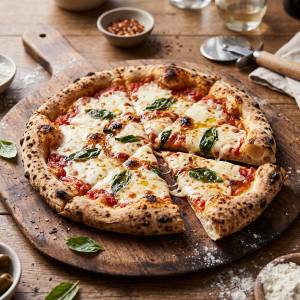
King Arthur Pizza Dough Recipe (Simple, Reliable, Beginner-Friendly)
This is my own simple adaptation for home ovens. It uses a slow, cold rise because time is the cheapest way to build flavor. Makes two 12-inch pizzas.
Ingredients
- 500 g (about 4 cups) King Arthur 00 Pizza Flour or Bread Flour
- 325 g (about 1⅓ cups) lukewarm water
- 10 g (about 2 tsp) fine salt
- 2 g (about ½ tsp) instant yeast
- 1 tbsp olive oil (optional, for a softer crust)
Method
- Mix. Stir the flour, salt and yeast together. Add the water and oil, then mix until no dry flour remains. The dough will look rough and shaggy, and that is fine.
- Rest and fold. Cover the bowl and rest for 30 minutes. Do a few gentle stretch-and-folds, then cover again.
- Cold rise. Refrigerate the dough for 24 to 48 hours. The longer rest gives you better flavor and a crust with more character. King Arthur itself notes that dough can be stored covered in the fridge for up to 48 hours after the first rise.
- Divide and shape. Take the dough out, cut it in half and shape two balls. Let them sit at room temperature for 1 to 2 hours until soft and relaxed.
- Stretch. On a floured surface, press from the center outward with your fingertips, leaving a thicker rim. Stretch to about 12 inches. Avoid a rolling pin, which squashes out the air bubbles.
- Bake hot. Heat your oven and a pizza stone or steel to its highest setting, usually 500°F to 550°F, for at least 45 minutes. Bake for roughly 6 to 10 minutes, until the edges are puffed and charred in spots.
Pro tip: For a crispier bottom, add the cheese once the crust edge starts to brown, about two-thirds of the way through the bake. That is King Arthur’s own tip for the 00 flour, and it works
Common King Arthur Pizza Dough Mistakes
- Using too much flour on the counter. It dries out the dough surface and makes the crust tough.
- Rushing the rise. A dough that has had 24 hours or more in the fridge tastes noticeably better.
- A lukewarm oven. Home ovens need to run as hot as they can go. Preheat longer than you think you need to.
- Overloading the toppings. Too much sauce or cheese makes a soggy center. Keep it light.
Skipping the stone or steel. A baking stone or steel stores heat and gives you that crisp base. A preheated upside-down baking sheet is a decent substitute.
From Your Kitchen to the Pizzeria: Pizza in Connecticut
Once you have made a few pies yourself, you start to appreciate how much skill goes into the ones you buy. Connecticut is one of the best places in the country to do that, because it has its own pizza identity.
Best Pizza in CT: What to Know
The state is famous for New Haven-style apizza: thin, coal-fired, slightly charred and often a little irregular in shape. The white clam pie is the signature order, and legendary New Haven names like Frank Pepe, Sally’s Apizza and Modern Apizza come up in almost every “best pizza in CT” conversation. Opinions are fierce, so treat any “best” list as a starting point and taste for yourself.
Beyond New Haven, Connecticut towns have plenty of neighborhood pizza shops serving big, generous pies with creative toppings, which brings us to Bristol.
Sergio’s Pizza in Bristol, CT
Bristol has a lot of pizza places, and Sergio’s Pizza at 926 Stafford Ave is one of the local names people order from. The menu leans toward the “everything on a pizza” style: cheese pizza as the base, plus gourmet options like BBQ chicken, buffalo chicken, Hawaiian, meat lovers, potato and bacon, clam casino, and a cheeseburger pizza served cut into squares. Combo deals with wings and a 2-liter drink are popular for families.
Reviewers often mention fresh, hot food, friendly staff and quick service, and the cheeseburger pizza and cheeseburger grinder get repeated shout-outs. Some reviewers say the pizza is similar to other shops in the area, which is honest feedback worth keeping in mind. Ratings vary by platform, mostly landing around 4 stars out of 5. Hours and menu prices change, so check the restaurant’s current listing before you go.
Here is the interesting part for home bakers. A neighborhood pizzeria like this is a good benchmark for your own pizza. Order a plain cheese pie, notice the crust, the cheese-to-sauce ratio and how it holds up after ten minutes, then try to recreate it with your King Arthur dough. That is how you learn.
King Arthur Flour Pizza vs. Restaurant Pizza: Which Wins?
Neither, honestly. Restaurants have ovens that reach 700°F or higher and years of practice. You have a quiet kitchen, a good bag of flour and the freedom to make exactly the pizza you like. With King Arthur flour and a slow-rise dough, home pizza can come surprisingly close, and sometimes it is better because you are not in a hurry.
Final Thoughts
If you want to improve your homemade pizza, start with the flour. King Arthur Flour pizza dough gives you a consistent, forgiving base, whether you pick 00 flour for Neapolitan style or bread flour for a chewy New York slice. Use the cold rise, bake as hot as your oven allows, and compare your results against a local favorite when you can.
Try the dough recipe this weekend and tell us how it went in the comments.
Frequently Asked Questions (FAQs)
What is the best King Arthur flour for pizza dough?
For Neapolitan-style pizza, King Arthur 00 Pizza Flour is the purpose-built choice. For a chewier New York-style crust, King Arthur Bread Flour is a great option. All-purpose works too if you prefer a softer crust.
Can I use King Arthur all-purpose flour for pizza?
Yes. All-purpose flour makes a good pizza with a slightly softer, less chewy crust than bread flour or 00 flour
Where is Sergio’s Pizza in Bristol, CT?
Sergio’s Pizza lists its address as 926 Stafford Ave, Bristol, CT 06010. Check its current listing for up-to-date hours, menu and phone number before ordering.